
The UK Garage Revival: Why the Sound Is Back
Somewhere around 2019, the sound of a rain-soaked south London car park began turning up in rooms where it had no business being. Skipping two-step drums, a bassline with the weight of a dropped fridge, a vocal chopped into confetti. Nobody was playing it ironically. By the time clubs reopened, it was part of the furniture again — and plenty of the people dancing were far too young to have heard it the first time around.
Garage never really went away. It went quiet, then underground, then strange. What is happening now is not a reissue campaign. It is a working genre with new records, new producers and a set of rules worth understanding, whether you want to make it or simply play it properly.
The Two-Step Skeleton
Garage's most recognisable engine is the two-step beat. The kick refuses to sit four to the floor. It steps around the bar instead, and the snare answers it, leaving holes where the bass and the vocal can breathe. Around that skeleton sits a nest of percussion: shuffled sixteenth-note hats, a tambourine, an open hat on the offbeat, the odd rimshot landing fractionally late.
Swing is the whole trick. Nudge the sixteenths from straight to lazy and the same pattern goes from a polite house groove to something that limps in exactly the right way. Overdo it and the whole thing falls apart. Most of the records you love sit somewhere around ten to twenty per cent, applied to hats and shakers rather than the kick.
Tempo matters too. The classic window is roughly 128 to 138 BPM, wide enough that a garage track can slide into a house set, a bassline set or a night of newer, faster, breakbeat-flavoured club music without anyone reaching for their coat.
The Production Hallmarks
You can usually identify the genre within a few bars. Listen for these:
- Sub-heavy bass with a separate hook. The low end is often a clean sine tuned to the root, with a second tone, reese layer or organ bass doing the talking above it.
- Chopped vocals. A phrase gets cut into fragments, pitched up or down and re-triggered like an instrument. It is rarely a whole verse.
- Unresolved, jazzy chords. Minor sevenths, ninths, elevenths. Rhodes, organ stabs, strings, detuned pads. The harmony is frequently warmer and more sophisticated than the drums suggest.
- Space. Garage is not a wall of sound. Entire bars pass with nothing but drums and a vocal flicker.
- Weight on the drums. Firm bus compression, tight transients, the sub kept in mono. It should hit hard and still feel light on its feet.
Speed garage is the cousin worth knowing about: faster, dubbier, with a wobbling bassline, reversed vocals and reggae-influenced snatches. It is a different flavour, not a better one, and it gets mislabelled constantly.
Why It Came Back
Part of the answer is tempo. As house drifted slower and pop grew stranger, a sound sitting around 132 with a big vocal and a bigger bass suddenly worked everywhere. Garage is fast enough to feel urgent and slow enough to dance to badly, which is the sweet spot for a packed room.
Part of it is lineage. A generation of producers raised on grime and dubstep went looking for the family tree and found garage at the root of both. Add cheap, capable software, a functioning reissue culture and an archive of white labels that has been digitised and passed around, and the barriers to entry collapsed.
Part of it, honestly, is social. Garage is vocal-led music for a room rather than a headphones album. When people wanted to stand close to each other again, this was the sound that delivered.
The Names Worth Knowing
Start with the originals. MJ Cole's Sincere remains a high-water mark for production. Wookie's "Battle" and "Down on Me", Zed Bias's "Neighbourhood", El-B's skeletal dubs, Steve Gurley's Groove Chronicles mixes, Dem 2's "Destiny", Tuff Jam, Grant Nelson, Artwork — all essential. Then cross the Atlantic to Todd Edwards, whose micro-chopped vocals rewired the entire approach to sampling.
The current wave is just as interesting. Conducta's Kiwi Rekords imprint put out a run of records that made the sound feel like pop music again: bright, melodic, unashamed. Interplanetary Criminal's collaboration with Eliza Rose on "B.O.T.A. (Baddest of Them All)" became a genuine crossover, played at festivals and on daytime radio. Elsewhere, producers such as Sammy Virji and Main Phase push the drums harder and dirtier, dragging things closer to bassline and breakbeat.
That is a starting point, not a canon. The scene rewards digging, and the best finds are usually four tracks deep in a Bandcamp page with a badly photographed sleeve.
Making a Garage Track That Doesn't Sound Like a Sample Pack
The genre is deceptively hard to fake. Lifting a drum loop and calling it done is the fastest route to sounding generic. Build from the skeleton outwards:
- Set the tempo and swing. Somewhere between 130 and 134 BPM, with sixteenth-note swing of roughly 12 to 18 per cent.
- Program the drums until they limp. One kick, one snare or clap, three hat layers. Then delete notes. Restraint is what separates garage from generic club drums.
- Write the sub first. One note, tuned properly, with a pitch slide where it needs to move. Add the mid-range hook afterwards, in a different layer.
- Chop a vocal. Use your own recording or a cleared acapella. Slice, pitch, resample, then play the fragments chromatically so they behave like an instrument.
- Hold back on chords. Two stabs and one pad is often plenty for an entire track.
- Mix for weight and air. Mono the sub, compress the drum bus, and resist the urge to fill every gap.
Where to Take It Next
The best education is a stack of records and a long set. Dig through old pirate radio rips, follow the labels rather than the playlists, and learn one two-step beat by rebuilding it from scratch rather than dropping in a loop. If you DJ, practise mixing garage with house at 130 — the tempo overlap is where the sound travels furthest.
One practical warning. Garage's history is full of white labels that borrowed a vocal or a hook and never sorted the paperwork. If you plan to release anything containing someone else's recording or composition, get clearance sorted before you press or upload. That is a job for a music lawyer rather than a forum thread, and it is far cheaper than the alternative.
Beyond that, the genre is forgiving. It was built by teenagers with cheap gear and one good idea per record. That door is still open.
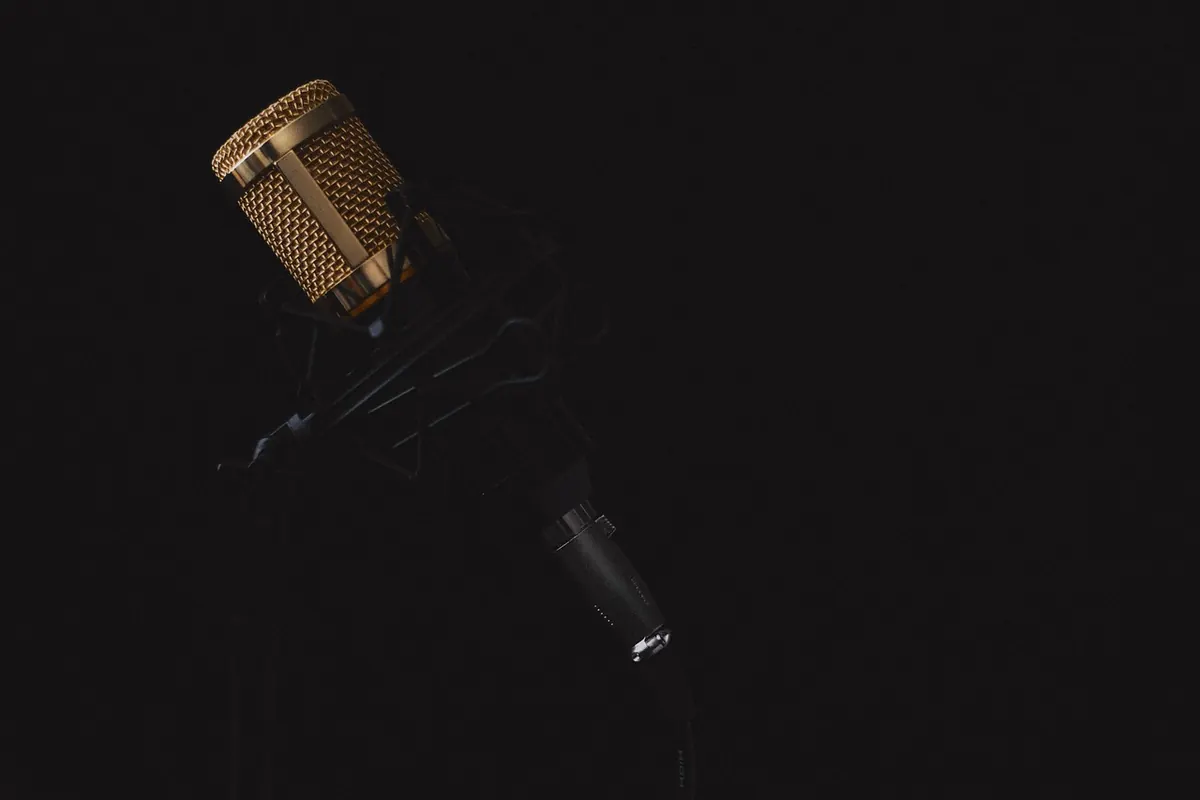
Photo: StockSnap / Pixabay

You Might Also Like
A practical seasonal checklist for festival sets: picking material by slot, weatherproofing gear, surviving travel and reading a rolling crowd.
Your first open mic as an electronic artist needs more rehearsal and less gear than you think. Here is how to plan the set, survive the soundcheck and leave with useful contacts.